30 Essential LMS Features in Nigerian, Every Organisation Needs to Improve Learning and Performance


The organisations that lead Nigeria’s next decade will not simply hire better talent, they will build better systems for growing the talent they already have. Across banking halls in Lagos, oil rigs off Bonny, hospitals in Abuja, and telecom offices in Ikeja, the same question keeps coming up: how do you train thousands of people, prove they actually absorbed something, and do it without burning through the training budget?
Choosing the right Learning Management System LMS features in Nigeria has quietly become one of the more consequential decisions an HR or L&D leader makes all year, because it touches productivity, regulatory compliance, staff retention, and how well the business competes.
Internet access keeps climbing every month, cloud tools keep getting cheaper, and yet plenty of organisations still buy training software the same way a company in London or Dubai would. That mismatch is exactly where good intentions turn into wasted budget.
This guide walks through what an LMS actually is, why it matters right now, and the 30 features that separate a platform that survives contact with Nigerian reality from one that quietly becomes expensive shelf-ware.
A Familiar Story
Picture a mid-tier commercial bank headquartered on Victoria Island. A regulatory update lands, and suddenly all 1,400 staff across 36 branches, from Ikeja to Port Harcourt to Kano, need fresh anti-money-laundering certification, and they need it fast. HR does what many Nigerian companies still do by default: print manuals, book conference halls in four regional hubs, fly facilitators around the country.
Then reality intrudes. A flight delay out of Murtala Muhammed pushes back an entire regional cohort. Branches in the north lose staff for two or three days just so they can travel to a one-day session. Tellers and account officers are pulled off the floor, and branch operations limp through a rough week. Six months and several million naira later, an internal audit finds that fewer than four in ten frontline staff can correctly apply the new rules, and the attendance registers are a mess of illegible signatures and best guesses.
None of this is unusual. It happens every quarter, in banks, in manufacturing plants, in state ministries, anywhere training is still treated as a logistics problem rather than a systems problem. This is precisely the gap a properly configured LMS closes.
What is an Enterprise LMS in the Nigerian Corporate Context?
Q: What is a Learning Management System and how does it redefine workforce training across sub-Saharan African corporate environments?
D: An LMS is an integrated digital ecosystem designed to create, host, automate, distribute, and audit professional training across an organization.
C: Within Nigerian industries ranging from fast-scaling fintech teams in Lekki to sprawling energy conglomerates in the Niger Delta an LMS replaces expensive physical training logistics with trackable, scalable digital learning paths designed to circumvent local infrastructure deficits.
- A: A robust enterprise learning platform provides the digital foundation for sustainable talent optimization and governance. By centralizing course materials, delivering targeted modules directly to smartphones, tracking user completion metrics in real time, and auto-generating compliance certificates, it allows organizations to upscale thousands of distributed staff simultaneously while protecting thin operational budgets from unnecessary travel overheads.
Why Learning Technology Infrastructure Matters Across Nigeria in 2026
Rolling out digital training across the country means designing around a few structural realities that don’t show up in a generic vendor brochure. Nigeria’s active internet subscriber base has kept climbing through early 2026, reaching roughly 153 million connections by March, according to the Nigerian Communications Commission. That growth is real and worth celebrating, but it doesn’t mean uniform quality.
Bandwidth stability, data costs, and power supply still vary sharply between a head office in Lagos and a regional branch in, say, Gombe or Benue. Software built for unmetered fibre in a European office will choke the first time a regional sales rep tries to stream a training video on a modest monthly data plan.
On top of that, regulators aren’t loosening their grip. Bodies like the Chartered Institute of Personnel Management (CIPM), the Central Bank of Nigeria (CBN), the Nigerian Content Development and Monitoring Board (NCDMB), and sector-specific auditors expect precise records, not a vague attendance sheet with a shrug attached.
HR leaders increasingly need to show exactly when a module was opened, how long an employee actually spent on a compliance chapter, and the score they achieved, on demand, not after three weeks of chasing spreadsheets.
As one Lagos HR director put it during a recent industry roundtable, discussing enterprise training in Nigeria: the software has to bow to the country’s infrastructure, not the other way round. That single idea is really the thread running through every feature below.
“In an era defined by rapid economic realignments and technological shifts, the capability of a nation’s corporate sector depends entirely on the speed at which its workforce upskills. Digital infrastructure is no longer an optional tool for the HR department; it is the core foundation of national economic resilience.”
30 Essential Learning Management System LMS Features In Nigerian, Every Organisation Should Consider
These features group naturally into five areas: how the platform survives patchy connectivity, how it handles content and language, how it mirrors your organisation’s structure, how it tests and secures assessments, and how it reports on all of it. A platform genuinely built for Nigeria tends to be strong across all five, not just one.
Pillar 1: Accessibility & Infrastructure Resilience
1. Data-optimised low-bandwidth mode: The interface automatically strips away heavy assets on slow connections while keeping the core lesson and quiz functional, so a branch officer in a weak signal area isn’t locked out of training simply because a video won’t load.
2. Native offline learning and syncing: Staff can download full courses and assessments while connected to office Wi-Fi, work through them completely offline, perhaps on a bus from Ibadan to Lagos, and have their progress sync automatically the next time they get signal.
3. Progressive Web App (PWA) Architecture: Provides a lightweight, app-like experience directly within any standard browser, completely eliminating the need for heavy, data-draining app store downloads on entry-level Android devices.
4. WhatsApp learning integration: Short lessons, voice notes, and quick quiz prompts can be pushed directly into WhatsApp, tapping into the one digital channel almost every Nigerian employee already checks daily.
5. USSD and SMS Backed assessment fallbacks: Factory-floor staff or field agents without smartphones can still complete basic safety check-ins or compliance confirmations through simple text-based prompts, so nobody gets left out of the compliance record.
6. Regional content delivery routing: Video and heavy media are routed through distributed servers so playback stays smooth for staff working out of regional hubs, instead of everyone hitting a single, distant server and buffering endlessly.
Pillar 2: Content Architecture & Localised Learning
7. Multi-Lingual Interface Support: Allows frontline operations staff to switch the primary portal navigation and subtitles seamlessly between English, Yoruba, Hausa, Igbo, and Pidgin to match local educational contexts.
8. SCORM, xAPI, and cmi5 Standard Compliance: Guarantees that your platform can effortlessly ingest high-fidelity learning modules developed by external instructional designers using global industry standard formats.
9. In-Platform Micro-Content Authoring Tools: Empowers line managers and internal subject matter experts to rapidly build interactive text, image, and video courses inside the dashboard without requiring advanced technical knowledge.
10. Multimedia Content Aggregation: Supports a diverse mix of formats including standard PDFs, MP4 video streams, audio podcasts, and live YouTube embeds all contained neatly within a uniform learning dashboard.
11. Contextual Glossaries and Localized Resource Libraries: Provides instant, pop-up definitions for specialized corporate terminology alongside downloadable local regulatory acts, such as the Nigerian Labor Act or PENCOM operational handbooks.
12. AI-Assisted Automated Subtitle Generation: Uses internal transcription tools to instantly convert voice tracks within internal training videos into accurate, readable text overlays for hard-of-hearing or localized learners.
Pillar 3: User Governance & Organisational Hierarchy
13. Multi-Tenant Architecture & Subsidiary Partitioning: Enables large holding conglomerates to deploy a single unified platform software instance while completely isolating unique branding, courses, and user databases across separate sub-companies.
14. Hierarchical Role Mapping (HRM Alignment): Mirrors complex organizational charts precisely, automatically grouping users into distinct tiers such as Group Heads, Regional Managers, Branch Superiors, and Frontline Associates.
15. Automated Smart Group Enrollment Rules: Triggers immediate course enrollments based on metadata changes—such as automatically adding any user labeled ‘New Hire’ or stationed in ‘Abuja Branch’ into a specific regulatory pipeline.
16. HRIS and IPPIS API Synchronisation: Maintains an active data bridge with enterprise HR software or the government’s centralized payroll systems to seamlessly manage automatic employee onboarding and exit processing.
17. Single Sign-On (SSO) Integration: Secures corporate networks by letting employees gain instant, safe platform access using their existing standard corporate Microsoft 365 or Google Workspace credentials.
18. Dynamic Delegation of Administrative Controls: Allows global administrators to safely delegate localized user-management, tracking, and reporting powers to specific regional training officers without exposing full system settings.
Pillar 4: Evaluation, Testing & Proctored Security
19. AI-Powered Remote Assessment Proctoring: Utilizes localized browser lockdowns and timed webcam snapshots to verify identity and deter cheating during critical regulatory certification exams across dispersed locations.
20. Dynamic Randomized Question Banking: Prevents collusion among test-takers by automatically generating unique, shuffled test variations pulled from a master pool of validated evaluation queries.
21. Formative Quizzes with Targeted Remediation: Triggers immediate, automated review suggestions when an employee fails a specific question, guiding them back to the exact content chapter they struggled with.
22. Comprehensive Practical Skills Checklists: Enables regional supervisors to log physical on-the-job competency evaluations directly into the digital portal, combining hands-on verification with online testing scores.
23. Configurable Certification Expiry Frameworks: Tracks re-certification timelines automatically, sending proactive alerts to employees 30 days before mandatory safety or regulatory credentials expire.
24. Granular Descriptive Grading Scales: Supports complex qualitative assessment frameworks, allowing internal facilitators to input comprehensive narrative reviews alongside standard numerical scoring indexes.
Pillar 5: Compliance Oversight & Operational Analytics
25. Real-Time Audit-Ready Compliance Reporting: Generates single-click, exportable spreadsheet data sheets that meet the stringent audit criteria of international bodies and national regulators like the CBN, SEC, or NUC.
26. Automatic Scheduling for Recurrent Multi-Recipient Reports: Configures the platform engine to auto-email updated training progress matrices to executive board members every Friday morning without requiring manual compilation.
27. Interactive Visual Performance Dashboards: Presents senior stakeholders with a clean overview of organization-wide learning progress via intuitive pie charts, timeline graphs, and completion velocity trackers.
28. Comprehensive Individual Learning History Auditing: Maintains an unalterable, permanent digital record of every course attempted, exam score achieved, and certificate earned by an individual throughout their entire tenure.
29. Automated Custom Certificate Generation: Designs and auto-populates professional corporate digital certificates featuring secure, verifiable QR codes to prevent internal document fraud.
30. Integrated Training ROI Financial Tracking: Allows corporate budgeting teams to input operational cost variables against overall workforce productivity improvements to evaluate actual training investment returns.
“The single greatest bottleneck in enterprise digital transformation across African corporations is not software licensing fees; it is failure to design for the physical realities of the local user. Software must bow to infrastructure constraints.”
Operational Case Study: Streamlining Logistics in the Energy Sector
A prominent oil services firm operating across Port Harcourt and offshore locations in the Bight of Benin faced intense pressure to upskill 450 field engineers on updated health, safety, and environment (HSE) protocols mandated by the Department of Petroleum Resources. Historically, executing this required pulling engineers off active rigs, halting production lines, and housing them in physical training facilities for five days at a time. The direct cost of logistics, accommodation, and lost production time regularly topped ₦45 million per training cycle.
By implementing an enterprise digital platform equipped with a native offline mobile sync engine and automated compliance pathways, the firm completely transformed its workflow. Field engineers downloaded complex technical safety modules while at the main base office.
They studied the material while stationed on remote offshore rigs with zero internet access, and completed their assessments on-site. The moment their vessels docked back within cellular network range, the platform database auto-synchronized their progress records.
The measurable outcomes were immediate and undeniable. The time required to achieve full company-wide safety compliance dropped from nine long months to just twenty-one days. The organization completely eliminated physical accommodation and travel overheads, saving over ₦38 million in a single quarter. Most importantly, rig productivity indices remained perfectly steady throughout the training window because no active operational shifts were disrupted.
How Learnep Powerfully Addresses the Local Operational Landscape
Building a sustainable corporate training strategy requires digital infrastructure explicitly engineered for the local context. Learnep is built from the ground up to solve the precise structural bottlenecks that routinely derail generic learning systems.
The platform’s industry-leading low-bandwidth data optimization layer ensures that teams can access high-fidelity training materials without experiencing disruptive lag or exhausting their data allowances.
Through its advanced hierarchical role-mapping engine and intuitive native mobile interface, Learnep enables your organization to build a robust, self-sustaining culture of continuous professional development.
Whether you are aiming to track strict regulatory compliance for an external audit or looking to onboard hundreds of scattered retail agents across multiple states, Learnep provides the exact architecture required to maximize performance without inflating overhead costs.
Frequently Asked Questions About Learning Platforms
Q1: How do modern learning platforms handle high internet data costs for distributed teams across different states?
A1: Premium enterprise platforms integrate advanced data-optimization layers alongside native offline mobile capability. This allows users to download course content using localized office networks or public Wi-Fi zones, study the modules completely offline, and synchronize their data footprints with the main system when a stable connection becomes available.
Q2: What is the realistic pricing structure for deploying a corporate platform within a large organization?
A2: Software investments generally scale based on a tiered monthly or annual active user pricing model. This structure ensures that growing enterprises pay strictly for active learners, eliminating heavy upfront software capital expenses while delivering clear ROI compared to physical logistics costs.
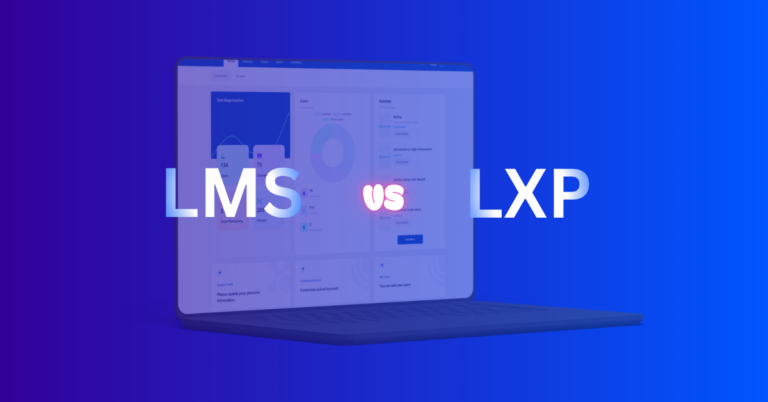
Q3: How does a standard learning management system differ from a traditional learning experience platform (LXP)?
A3: An LMS focuses primarily on structured top-down administration, compliance enforcement, tracking, and formal assessment pathways mandated by corporate leadership. An LXP emphasizes user-centric content discovery, open social collaborative sharing, and AI-driven personalized learning recommendations tailored to organic career paths.
Q4: Can we connect our internal corporate platform with our existing HR and payroll software tools?
A4: Yes. Modern platforms feature robust, secure API integrations that sync seamlessly with prominent human resource information systems (HRIS). This allows your IT department to automate user creation for new hires and instantly revoke access records during employee offboarding pipelines.
Q5: What are the most common technical hurdles when executing a digital training framework across multiple branches?
A5: The biggest operational barriers include uneven regional internet speeds, user resistance to unfamiliar digital portals, and lack of line-manager engagement. Overcoming these hurdles requires adopting mobile-first interfaces, rolling out localized training orientations, and establishing clear internal leadership accountability channels.
Securing Your Institutional Knowledge Asset Base
The future of corporate excellence belongs to organizations that treat institutional knowledge as an active balance-sheet asset rather than an administrative afterthought. Relying on disorganized chat groups and unmonitored email attachments is a major operational risk that leaves your compliance framework vulnerable to costly regulatory failures.
Transitioning to a centralized, scalable infrastructure secures your operational integrity, empowers your frontline personnel, and gives your executives the exact empirical data required to make sound talent investments.https://www.youtube.com/watch?v=nnSHuH8SXeE&pp=ygUMbG1zIGZlYXR1cmVz
Take the critical step toward building a highly efficient, digitally transformed workforce today. Partner with an engineering team that understands the unique operational realities of running distributed enterprises across Nigeria. Contact the corporate learning strategy specialists at Learnep to configure a customized, data-optimized digital ecosystem tailored precisely to your company’s operational needs.
“The illiterate of the 21st century will not be those who cannot read and write, but those who cannot learn, unlearn, and relearn.”