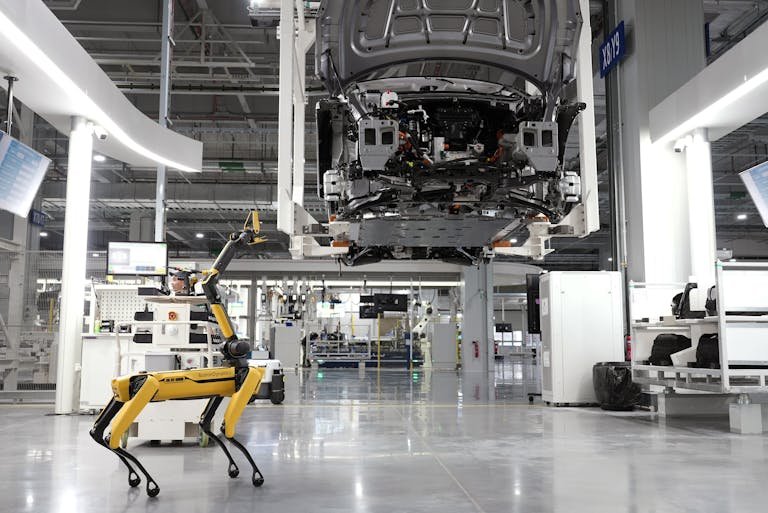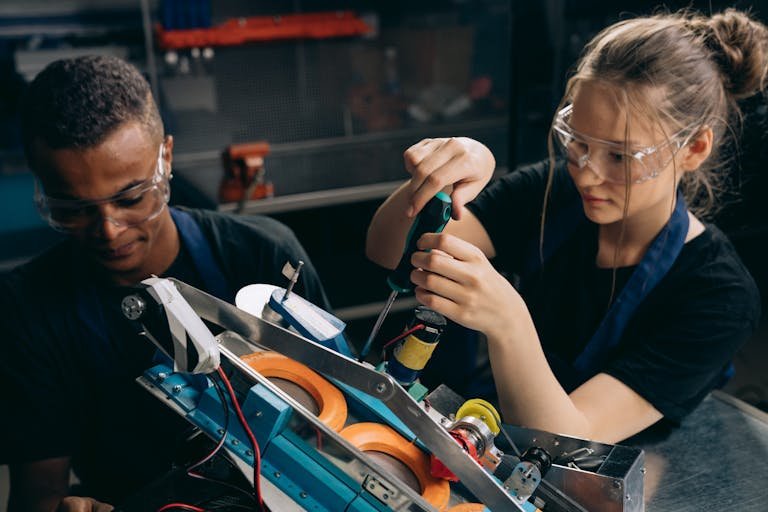

The future of work in Nigeria is being rapidly reshaped by a confluence of global technological advancements and unique local economic dynamics. This evolution is moving away from rigid, traditional structures toward flexibility, digital integration, and a continuous focus on human-centric skills. While Artificial Intelligence (AI) and robotics are key drivers of this change, the ultimate successful transition hinges on Nigeria’s ability to upskill its massive youth population and creatively adapt to new employment models. This article provides a deep critical analysis of the 15 critical workplace trends shaping the future of work in Nigeria.
Part 1: The Digital Transformation and Operational Trends
These trends define how and where work is conducted, driven largely by technology and economic necessity.
1. The Dominance of Hybrid and Remote Work Models
The experience gained during the post-pandemic era cemented the reality that work is an activity, not a place. In Nigeria, the adoption of the hybrid model (a mix of in-office and remote) has become a strategic choice for businesses, particularly in financial services, telecommunications, and technology.
Driving Factors: High costs of commuting (exacerbated by rising fuel prices), severe traffic congestion in major cities, and a professional demand for better work-life balance.
The Nigerian Context: Over 60% of medium-to-large companies have adopted some form of a hybrid model. This trend serves as a key cost-saving measure for companies that can downsize office space and a critical talent retention strategy that appeals to over 70% of Nigerian professionals.
2. The Explosive Growth of the Gig Economy and Freelancing
The gig economy, defined by short-term, project-based engagements, is increasingly a necessity for many Nigerians rather than merely an alternative. Nigeria’s high youth unemployment rate has pushed a large segment of the workforce into self-employment.
Digital Platforms: Local and international platforms like Upwork, Fiverr, and local logistics/ride-hailing apps have become primary job creators.
The Freelancer Profile: An estimated 87.3% of employed Nigerians are primarily self-employed (Q3 2023). While providing income, flexibility, and global access, this trend also highlights the challenge of job security, lack of statutory protections (pension, health insurance), and the urgent need for policy adjustments to protect independent workers.
3. Hyper-Focus on Centralised Digital Communication
With dispersed, hybrid teams, the requirement for clear and centralised communication is paramount. Traditional, in-office communication methods are insufficient for the new landscape.
Key Tools: The adoption of unified communication platforms (such as Slack, Microsoft Teams, and Zoom) is growing to ensure seamless workflows, project tracking, and team cohesion regardless of geographical location.
Impact: This ensures information is easily accessible, reduces communication friction, and ultimately drives productivity for teams working across different locations and time zones.
4. The Shift to Asynchronous Work and Meeting Efficiency
The rigid “always-on” culture of the 9-to-5 workday is yielding to flexible, output-focused schedules.
Asynchronous Communication: Teams are moving toward collaborating without the expectation of immediate, real-time responses, respecting individual work styles and accommodating global time differences.
Maximising Meetings: Companies are aggressively reducing unnecessary virtual meetings, implementing structured agendas, and leveraging digital collaboration tools to ensure that in-person and virtual time is dedicated to high-value, problem-solving activities.
5. Leveraging HR Metrics and People Analytics
Decision-making in Human Resources is transitioning from intuition to data-driven strategies.
Focus Areas: Measuring employee engagement, tracking performance against real-time data, and using metrics to inform policies on retention, well-being, and work-life balance.
Strategic Value: By analysing data, Nigerian businesses can pinpoint areas of burnout, identify key talent at risk of attrition, and make targeted investments in training that close specific skills gaps.
Part 2: The AI, Automation, and Skills Revolution
This segment focuses on the direct impact of technology on job roles and the skills required to remain relevant.
6. The Democratization of AI and Generative AI in Daily Work
The most profound shift is the widespread integration of Artificial Intelligence (AI), particularly Generative AI tools, into everyday professional tasks. This trend is focused on augmenting human capability.
Impact on Productivity: AI tools are automating routine operations—from drafting basic emails and summarising reports to initial code generation and data analysis. This frees up Nigerian workers to focus on tasks requiring creativity, critical thinking, and emotional intelligence.
The Nigerian Reality: While full automation may be a slower process than in fully industrialised economies, the adoption of AI is rapid in sectors like Fintech and Telecommunications, immediately boosting productivity and creating demand for people who can manage and prompt AI effectively.
7. The Disruptive Force of Robotics and Automation
While physical robots are less common in Nigeria, software automation is significantly impacting service-based and routine jobs.
Vulnerable Jobs: Roles involving highly repetitive and predictable tasks are most vulnerable. This includes basic customer service representatives (replaced by AI chatbots), data entry specialists, and back-office clerical/administrative positions.
The Agricultural Sector: Although nascent, the potential for full adoption of robotics and precision agriculture is a long-term threat that could eventually displace millions of low-skill jobs, demanding a massive, proactive national plan for reskilling.
8. The Critical Need for Upskilling and Reskilling
The AI revolution is creating a massive skills gap. The core challenge is not the loss of jobs, but the obsolescence of skills—the worker’s current skillset no longer matches the employer’s needs.
Upskilling: Developing existing workers with new skills for their current role (e.g., training an accountant to use AI-powered bookkeeping software).
Reskilling: Training employees for an entirely new role (e.g., teaching a bank teller to become a data analyst).
In-Demand Skills: The fastest-growing roles require expertise in Big Data, AI/Machine Learning, Cybersecurity, Fintech Engineering, and, crucially, uniquely human skills like Creative Thinking, Resilience, Agility, and Lifelong Learning.
9. Demand for AI Ethics and Governance Expertise
As Nigerian companies adopt more AI, the ethical and regulatory challenges concerning data, bias, and privacy become unavoidable.
New Roles: There is a rapidly emerging demand for specialized roles like AI Ethicists, Data Protection Officers, and AI Policy Analysts.
Importance: These professionals ensure that AI systems are fair, unbiased, transparent, and compliant with evolving data privacy regulations, which is vital for maintaining public trust and avoiding legal liabilities.
10. The Rise of Immersive Virtual Workspaces
As a logical extension of remote work, more sophisticated technologies like Augmented Reality (AR) and Virtual Reality (VR) are being explored to create more engaging and effective collaboration environments.
Applications: Virtual workspaces can be used for immersive team meetings, advanced technical training simulations, and virtual onboarding processes, making geographically separated teams feel more connected and productive.
Local Relevance: The use of virtual training could become a highly cost-effective way to deliver high-quality, standardized instruction across a large, distributed Nigerian workforce.
Part 3: The Human-Centric and Cultural Evolution
These trends focus on how organizations adapt their culture, values, and support systems to meet evolving employee expectations.
11. Centrality of Employee Well-being and Mental Health
Burnout, stress, and the blurring of work-life boundaries in the digital age have forced Nigerian employers to make employee well-being a strategic priority, moving it beyond a mere HR perk.
Proactive Measures: Companies are implementing programs focused on mental and physical health, offering flexible hours, and providing access to counselling services.
The Business Case: Recognizing that wellness directly impacts productivity and profitability, this focus is essential for retaining top talent who increasingly prioritise their health over traditional corporate loyalty.
12. Prioritizing Diversity, Equity, and Inclusion (DE&I)
There is a growing institutional focus on leveraging the benefits of diverse talent pools, driven by both social imperatives and the business case for greater innovation.
Expanded Talent Pool: The shift to remote work allows Nigerian companies to hire skilled individuals from smaller cities and rural areas, previously excluded by geographical limitations.
Inclusivity Initiatives: The adoption of DE&I initiatives is increasing, with employers recognizing the potential for expanding talent availability and fostering a richer, more representative workplace culture.
13. The Focus on Enhancing Employee Experience (EX)
Employee experience is the holistic journey a worker takes with an organisation. Improving EX is now seen as the primary strategy for talent attraction and retention.
Key Strategies: This includes simplified digital processes, transparent communication, significant investment in employee development (upskilling/reskilling), and ensuring a supportive and flexible work environment.
Generational Expectations: Meeting the expectations of younger generations, particularly Gen Z, who value purpose, flexibility, and quick career progression, is central to a positive EX.
14. Building and Sustaining Company Culture in a Hybrid World
Maintaining a cohesive company culture when employees are rarely together is one of the most significant managerial challenges.
Strategic Interventions: Companies are investing in regular team-building activities, virtual events, and deliberate in-office days (“anchor days”) designed specifically for collaboration and social bonding rather than solitary work.
Clear Values: Communicating company goals and values clearly and consistently across all digital and physical channels is crucial to building trust and shared purpose in a distributed setting.
15. Adoption of Sustainable and Green Practices (The Green Economy)
While the immediate focus is digital, the long-term future includes a massive shift toward sustainability, driven by global climate change concerns and energy transition.
New Roles: This is creating demand for new skills in green finance, renewable energyvengineering, and carbon accounting.
Workplace Impact: Companies are adopting sustainable practices within their operations, such as reducing the carbon footprint of their offices and aligning their corporate strategies with Environmental, Social, and Governance (ESG) principles, thereby creating an entirely new category of jobs and skill requirements for Nigerian professionals.
Conclusion: The Workplace Trends Shaping the Future of Work in Nigeria
The future of work in Nigeria is a story of human-machine collaboration. While the integration of AI and robotics presents the dual reality of job displacement in routine roles and massive opportunities in new, high-value fields, the ultimate successful transition hinges on Nigeria’s proactive response.
The goal is not to stop the advance of AI and robotics, but to prepare the Nigerian worker to partner with these technologies, transforming a demographic challenge into a competitive, innovative, and resilient workforce ready for the 21st-century global economy.
Strategic investment in digital infrastructure, education reform, and supportive policies for independent workers will be crucial to harnessing these trends for sustainable national growth.