
Training Needs Analysis: How to Conduct One With a Practical Template

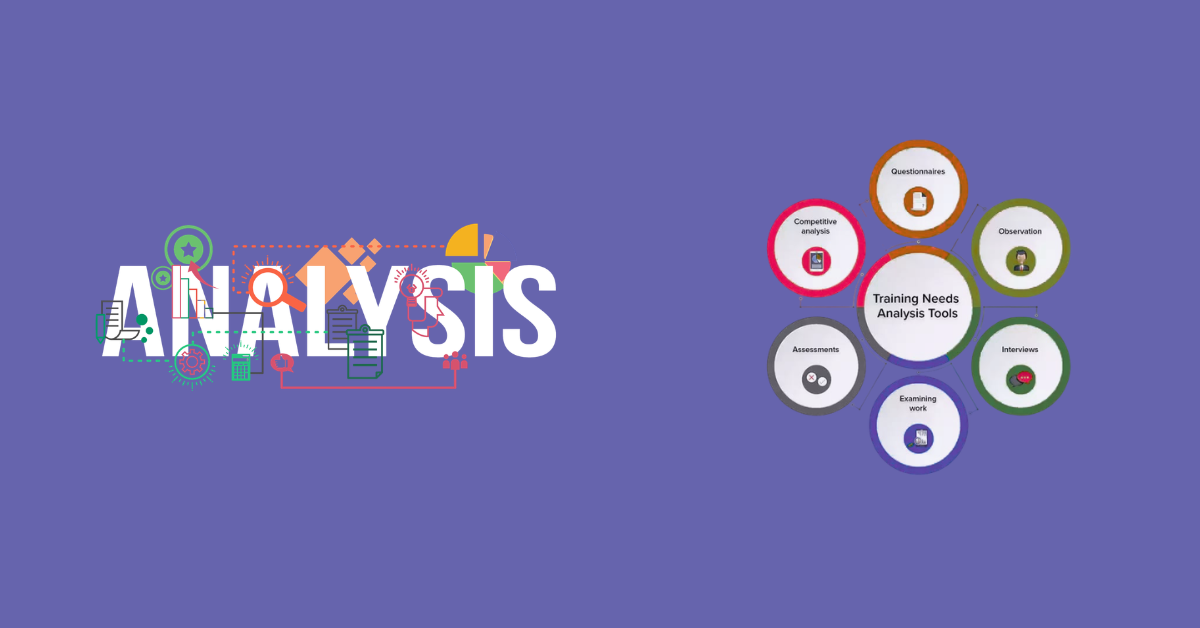
Learning how to conduct a training needs analysis properly is what separates training that actually closes a real gap from training that gets built simply because someone assumed a gap existed. A remarkable amount of corporate training gets commissioned backward: a manager notices a problem, assumes they know the cause, and requests a course, without ever systematically confirming whether the actual issue is a skills gap at all, or something else entirely, a process problem, an unclear expectation, a resourcing issue no amount of training will fix.
A training needs analysis exists specifically to prevent that guesswork. Done properly, it identifies not just that a gap exists, but exactly where it sits, whether it’s a strategic capability gap at the organizational level, a task-specific skill gap tied to a particular role, or an individual performance gap affecting specific people, and each of those requires a genuinely different response. Skipping this diagnostic step is the single most common reason a polished, well-produced training program gets delivered and changes nothing.
This guide walks through the three-level framework that underpins nearly every serious approach to training needs analysis, a practical step-by-step process for conducting one, and a usable template you can adapt directly. It pairs naturally with Learnep’s guides to the ADDIE Model of instructional design, since a training needs analysis is the core work product of ADDIE’s Analysis phase, and writing effective learning objectives, since the gaps a TNA identifies are exactly what well-written objectives should be built around.
The Three-Level Framework: Organizational, Task, and Person Analysis
The foundational model here, established by McGehee and Thayer in 1961 and still the backbone of guidance from CIPD, ATD, and the U.S. Office of Personnel Management today, breaks needs analysis into three distinct, sequential levels: Organizational, Task, and Person. The sequence matters more than it might initially appear. Skipping straight to identifying individual skill gaps without first confirming those gaps actually connect to a genuine business priority risks building training that’s technically accurate but strategically disconnected. As one detailed breakdown of the consequences put it plainly, statistics showing widespread skill gaps aren’t really “arguments for more training. They are arguments for better diagnosis,” a distinction worth sitting with before building anything.
What Does Each Level Actually Involve?
Each of the three levels answers a different diagnostic question, draws on different data sources, and produces a different kind of output, and a complete training needs analysis requires working through all three rather than jumping straight to whichever feels most urgent.
Organizational analysis asks where training investment is most needed and why, examining company strategy, regulatory change, technology adoption, and workforce projections to identify where capability gaps create the greatest strategic risk. Relevant data sources include strategic plans, leadership interviews, performance scorecards, and compliance audit findings. This level answers what L&D should even be prioritizing in the first place, and without it, everything identified at the next two levels risks being technically correct but disconnected from what the business actually needs.
Task analysis defines the specific tasks, knowledge, skills, and performance standards required for a given role, independent of any specific individual currently in that role. This level typically draws on job descriptions, direct observation, and interviews with people who actually perform the work, since assumptions made without consulting them often miss details that matter significantly in practice.
Person analysis identifies which specific employees have gaps against the standards defined at the task level, using performance reviews, skills assessments, and manager observation. This is the most granular level, and it’s also the one most organizations jump to first, skipping the broader context the first two levels are meant to provide.
A Step-by-Step Process for Conducting a Training Needs Analysis
Step 1: Start with organizational analysis before anything else. Review strategic priorities, upcoming regulatory or technology changes, and workforce data to identify where a capability gap would create the most significant business risk or missed opportunity.
Step 2: Define task requirements for the specific roles involved. Work directly with people currently performing the role, not just their managers, to define the actual skills, knowledge, and performance standards the task genuinely requires.
Step 3: Assess individual performance against those defined standards. Use a combination of performance data, skills assessments, and manager observation, rather than relying on any single source, to identify where specific gaps actually sit.
Step 4: Distinguish training gaps from non-training problems. Not every performance gap is a skills issue; some reflect unclear expectations, resourcing constraints, or process problems that training alone won’t fix, and misdiagnosing these wastes both budget and credibility.
Step 5: Prioritize identified gaps against the organizational-level risk they connect to. Not every gap deserves equal investment; prioritize based on the strategic importance established during the organizational analysis.
Step 6: Document findings in a format that directly informs learning objectives. The gaps identified here should translate cleanly into the specific, measurable objectives Learnep’s guide to writing effective learning objectives covers in depth.
A Practical Training Needs Analysis Template
A usable TNA document typically includes the following sections, adaptable to your organization’s scale:
- Organizational Context: strategic priorities, relevant regulatory or technology changes, and the specific business risk this analysis is addressing.
- Scope: which roles, departments, or business units this analysis covers.
- Task Requirements: for each role in scope, the specific tasks, required knowledge and skills, and performance standards.
- Data Sources Used: performance reviews, skills assessments, interviews, direct observation, and any other inputs, noted transparently.
- Identified Gaps: the specific difference between current and required performance, separated clearly by organizational, task, and person level.
- Training vs. Non-Training Classification: an explicit note on which identified gaps are genuinely addressable through training versus those reflecting a different underlying problem.
- Prioritization: gaps ranked against the organizational-level risk or opportunity they connect to.
- Recommended Next Steps: how identified, training-addressable gaps should translate into specific learning objectives and program design.
Illustrative scenario: Picture a company that skipped organizational analysis entirely and jumped straight to addressing a specific manager’s complaint that customer service staff “needed better communication training.” A proper task analysis, conducted afterward once the gap in the process became clear, revealed that staff already had solid communication skills; the actual issue was an unclear escalation policy that left staff uncertain when to involve a supervisor.
No amount of communication training would have fixed a policy gap. Once the organization went back and applied the full three-level analysis, it correctly identified and addressed the actual process issue instead. This scenario illustrates a common pattern many organizations encounter when needs analysis is skipped or shortcut; it is not a documented Learnep case study.
Common Pitfalls to Avoid
Skipping organizational analysis and jumping straight to individual gaps. This risks building training that’s accurate at the individual level but disconnected from any genuine business priority.
Relying only on manager opinion for task analysis. Managers don’t always have complete visibility into the actual moment-to-moment requirements of a role, and skipping direct input from people who perform the work regularly produces an incomplete picture.
Treating every performance gap as a training gap. Process issues, unclear expectations, and resourcing constraints all produce performance problems that no amount of training content will resolve.
Conducting a TNA once and never repeating it. Roles, strategic priorities, and available technology all change, and a training needs analysis conducted years ago may no longer reflect current reality.
Frequently Asked Questions
What’s the difference between a training needs analysis and a skills gap analysis? A skills gap analysis typically corresponds to the person level of a full training needs analysis, identifying gaps for specific individuals or roles. A complete training needs analysis is broader, incorporating organizational and task-level analysis as well, ensuring identified skills gaps actually connect to genuine business priorities.
How often should a training needs analysis be conducted? There’s no universal schedule, but it’s worth revisiting whenever strategic priorities shift significantly, a role’s requirements change meaningfully, or new technology or regulation reshapes what a job actually requires, rather than treating it as a one-time exercise completed at a single point in time.
Can a small business conduct a simplified training needs analysis? Yes. The three-level framework scales down reasonably well; a small business can move through the same organizational, task, and person questions more quickly and informally without needing the same depth of formal documentation a larger organization might require.
What data sources work best for task analysis specifically? Direct observation of the work being performed, interviews with people currently doing the job, and existing job descriptions all provide genuinely useful input, and combining more than one source generally produces a more accurate picture than relying on any single one alone.
Where This Fits Into a Broader Instructional Design Process
A training needs analysis is the diagnostic foundation the rest of the instructional design process depends on, feeding directly into the objectives, content, and assessment decisions that follow. Learnep’s guide to the ADDIE Model of instructional design covers how this analysis work connects to every subsequent phase, while our guide to writing effective learning objectives covers exactly how identified gaps should translate into specific, measurable training goals.
Getting this right means resisting the pull to skip straight to building content, and instead working through all three levels of analysis first, even when the pressure to move quickly is real.
If you’re building out a training program and want the underlying needs analysis to genuinely inform what gets built, explore how Learnep supports structured, data-driven course design, check the FAQ page, or book a personalised walkthrough to see how this looks in practice.