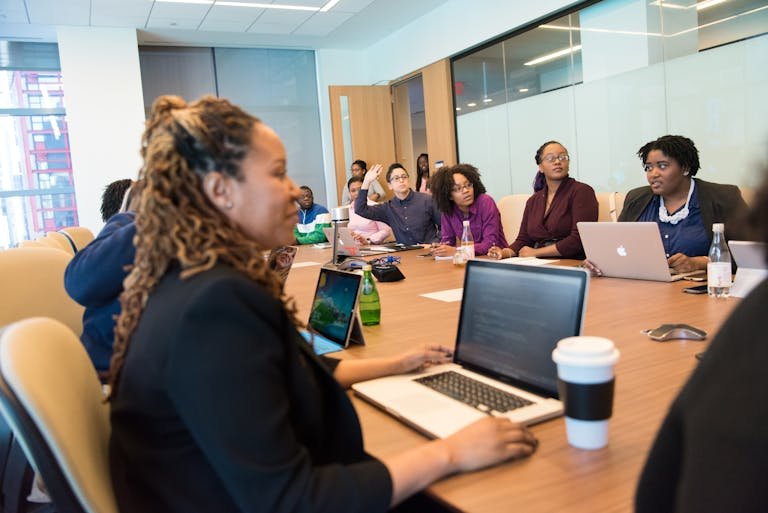

In today’s fast-paced, technology-driven business environment, one thing is certain: organizations that fail to invest in continuous training fall behind. As digital transformation accelerates, industries shift, and customer expectations evolve, companies can no longer rely on one-time onboarding or occasional workshops. Instead, they must build a culture of ongoing learning, upskilling, and continuous professional development to remain competitive.
We will explores why continuous training is now a strategic requirement, how it impacts productivity, employee performance, retention, innovation, and organizational growth. It also highlights actionable steps companies can take to implement modern learning programs that drive measurable results.
1. The Rapid Pace of Technological Change
Advancements in technology have dramatically transformed nearly every sector. Industries such as finance, manufacturing, retail, healthcare, logistics, and education now depend heavily on digital tools and automated processes. Because these systems evolve quickly, employees must constantly adapt.
Why This Matters
- Skills have a shorter shelf life. A technical skill that was relevant five years ago may already be outdated.
- Digital tools require ongoing mastery. From CRM systems and AI-driven analytics to cloud services, modern tools only deliver value when employees know how to use them effectively.
- Competitors are adopting new technologies. Companies that fail to train their teams risk losing market share to more agile and tech-savvy competitors.
2. Continuous Training Improves Productivity and Performance
Employees who are trained regularly become more confident, efficient, and effective in their roles. Continuous training ensures that workers know the latest best practices, industry standards, and company procedures.
How Continuous Learning Boosts Productivity
- Employees make fewer mistakes and deliver higher-quality work.
- Teams become more efficient, eliminating time wasted on trial-and-error approaches.
- Staff members gain the ability to solve problems faster, reducing operational delays.
- Employees become more familiar with updated tools and processes, improving overall workflow.
High-performing employees create high-performing organizations. Continuous training directly fuels this.
3. Better Customer Experience Through Skilled Employees
Customers expect seamless, fast, and high-quality service. Whether in a retail store, a bank, a hospital, or an online platform, customer experience is heavily influenced by the staff’s competence.
Training Enhances Customer Satisfaction By:
- Ensuring employees provide accurate information.
- Equipping staff with effective communication and interpersonal skills.
- Teaching employees how to resolve conflicts and handle complaints professionally.
- Ensuring consistent and standardized service across the organization.
A well-trained workforce leads to stronger brand loyalty, improved trust, and better customer retention.
4. Continuous Training Strengthens Employee Engagement and Retention
Research consistently shows that employees who feel valued and invested in are more likely to stay with an organization. Continuous training is a powerful way to demonstrate commitment to employee growth.
How Training Improves Retention
- Employees feel more motivated and engaged when they have opportunities to learn.
- Continuous skill-building builds confidence, reducing frustration and burnout.
- When companies invest in people, employees develop greater loyalty.
- Training provides a clear path for career progression within the organization.
Replacing an employee can cost anywhere from one-half to twice their annual salary. Continuous training minimizes turnover by creating an environment where employees want to stay.
5. Continuous Learning Encourages Innovation
Companies that embrace learning naturally foster a culture of creativity and innovation. When employees are exposed to new ideas, tools, and perspectives, they are more likely to think outside the box.
Training Fuels Innovation By:
- Helping employees understand evolving trends and technologies.
- Encouraging them to contribute fresh ideas and solutions.
- Empowering staff to improve existing processes.
- Creating an environment where experimentation and problem-solving thrive.
Innovation is the key to sustainable business growth, and continuous training is its foundation.
6. Businesses With Continuous Training Outperform Competitors
Companies that prioritize learning consistently outperform those that don’t. They adapt faster, operate more efficiently, and build stronger professional teams.
Competitive Advantages of Continuous Training
- Increased operational efficiency.
- Higher-quality service and products.
- Stronger brand reputation.
- Better workforce alignment with strategic goals.
- Ability to respond quickly to market changes or disruptions.
Organizations that ignore training eventually find their workforce outdated, overwhelmed, and easily replaced by competitors who embrace continuous improvement.
7. Continuous Training Improves Compliance and Reduces Risk
Industries such as finance, healthcare, manufacturing, and aviation require strict regulatory compliance. Failure to comply can lead to fines, lawsuits, safety hazards, and reputational damage.
How Training Helps
- Keeps employees updated on laws, regulations, and safety guidelines.
- Ensures proper documentation and ethical behavior.
- Reduces incidents and workplace accidents.
- Protects the organization from legal liabilities.
Training is not just an investment—it is a risk mitigation strategy.
8. Continuous Learning Supports Organizational Agility
Agile companies survive economic downturns, technological disruption, and shifts in consumer behavior. Training keeps employees adaptable, responsive, and ready for change.
Agility Benefits From Training
- Employees become more flexible in taking on new roles.
- Teams are better equipped to adjust to industry changes.
- Staff can quickly learn new tools or processes during transitions.
- Organizations stay competitive even in uncertain environments.
A skilled, adaptable workforce is a company’s most valuable asset.
9. The Role of Modern Learning Technologies
The rise of LMS, e-learning platforms, microlearning, and virtual training has made continuous learning easier and more affordable.
Modern Tools That Enable Continuous Training
- LMS platforms for tracking learning progress.
- Microlearning modules for fast, on-the-go training.
- AI-powered learning that personalizes content.
- Gamified learning that keeps employees engaged.
- Mobile learning that provides accessible, anytime learning.
Companies can now implement effective training programs without heavy infrastructure or high costs.
10. How Companies Can Implement Effective Continuous Training Programs
Implementing a successful continuous training program requires strategy and consistency.
Key Steps
- Assess skill gaps to identify areas where employees need support.
- Create a training roadmap aligned with business goals.
- Adopt an LMS or e-learning platform for easy delivery and monitoring.
- Use engaging content formats such as videos, simulations, interactive modules, and live workshops.
- Encourage knowledge sharing among teams.
- Measure training outcomes and adjust programs as needed.
- Incorporate feedback from employees to improve the learning experience.
A structured approach ensures that training delivers real organizational value.
Continuous Training Is No Longer Optional — It’s a Strategic Imperative
For modern companies, continuous training is not a luxury. It is a necessity for staying competitive, innovative, and relevant in today’s digital-driven business landscape. By investing in workforce development, companies strengthen productivity, boost employee engagement, enhance customer experience, and future-proof their operations.
Organizations that adopt ongoing learning create future-ready teams, drive long-term growth, and build a strong foundation for sustainable success.